
T: +86-15800900153
E: songwenyan@windouble.com.cn
E: songwenyan@windouble.com.cn
No.1230, Beiwu Road, Minhang District,Shanghai,China
Views: 0 Author: Site Editor Publish Time: 2025-09-15 Origin: Site


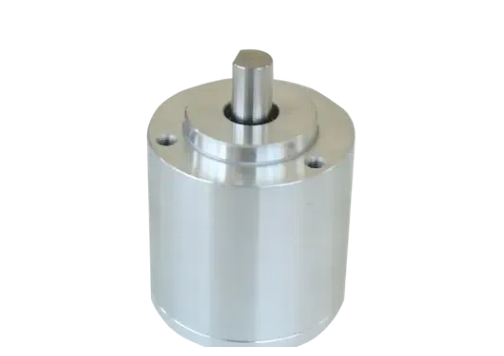
Brushless resolvers have become essential components in modern industrial and automation systems. They provide precise and reliable position feedback, enabling smooth motion control and accurate performance in applications ranging from robotics to electric vehicles and industrial machinery. Despite their robust design and long operational life, brushless resolvers are not immune to issues. Over time, environmental factors, wiring problems, or system misconfigurations can affect their performance, leading to inaccurate readings or erratic motor behavior.
Maintaining optimal functionality of brushless resolver systems requires understanding common problems, employing effective troubleshooting methods, and implementing regular maintenance practices. This article offers a comprehensive guide to diagnosing and maintaining brushless resolvers, helping technicians and engineers ensure consistent operation and long-term reliability.
A brushless resolver consists of a rotor and a stator that work together to measure angular position and rotational speed. The rotor is attached to a rotating shaft, and when the system is energized, the rotor’s magnetic field induces voltages in the stator windings. These voltages vary according to the sine and cosine of the rotor’s angle. A resolver-to-digital converter then interprets these analog signals and provides digital position data to the motor controller.
Unlike traditional resolvers that use brushes, brushless designs eliminate mechanical contacts, which significantly improves durability and reduces maintenance requirements. This design allows resolvers to provide absolute position feedback, maintain signal integrity under harsh environmental conditions, and support smooth, continuous motor control, even in high-vibration or high-temperature environments.
Brushless resolvers, while reliable, can encounter problems that affect system performance. One common issue is signal noise, which can arise from electromagnetic interference or radio frequency interference. This type of noise often results in jittery or erratic readings, which can cause motors to oscillate or behave unpredictably. Sources of interference include nearby high-power equipment, poorly shielded cables, or grounding issues within the control system.
Wiring and connector problems are another frequent cause of resolver malfunction. Loose connections, damaged cables, or corroded terminals can disrupt the signal flow between the resolver and its converter, leading to sudden jumps in position feedback or intermittent signal loss. Similarly, faults in the resolver-to-digital converter can cause incorrect or unstable position data to reach the motor controller. This can happen due to overvoltage, electrical surges, or component degradation over time.
Mechanical misalignment or shaft issues can also impair resolver accuracy. If the rotor is not properly aligned with the stator, or if the shaft is bent or exhibits excessive backlash, the resolver may produce inconsistent readings. Environmental conditions such as extreme temperatures, moisture, dust, or chemical exposure can further degrade performance. Over time, these factors may result in signal drift, increased noise, or physical corrosion of mounting components.
When troubleshooting brushless resolver systems, a systematic approach is essential. The process often begins with a careful visual inspection of the resolver, cables, connectors, and mounting hardware. Damaged or frayed wires, loose or corroded connectors, misaligned shafts, and signs of dust or moisture should all be noted.
Following a visual inspection, signal verification is recommended. Using an oscilloscope or specialized test equipment, the sine and cosine outputs from the resolver can be monitored. These signals should appear smooth and continuous, with consistent amplitude and frequency. Any distortion or irregularity in the waveforms can indicate interference, wiring problems, or internal faults.
The resolver-to-digital converter output should then be examined to ensure it accurately reflects the rotor’s position. Comparing digital readings with expected values during rotation can help identify converter issues or degraded resolver signals. Motor controllers often include built-in diagnostics, which can provide valuable insights into resolver performance, torque ripple, and error codes, helping to pinpoint problems that may not be visually evident.
Regular maintenance is essential to preserve the performance and lifespan of brushless resolver systems. Protecting cables and connectors from mechanical stress, vibration, and environmental contaminants is critical. Shielded and properly routed cables reduce the risk of electromagnetic interference, while securing connectors and periodically cleaning them helps maintain reliable electrical contact.
Mechanical alignment should be checked regularly to ensure the rotor and stator remain precisely positioned. Shafts should be inspected for straightness and minimal backlash, and mounting hardware should be tight and vibration-free. Environmental protection is also important; enclosures, gaskets, and protective coatings can shield the resolver from dust, moisture, and corrosive substances. Monitoring temperature ranges and avoiding exposure beyond specified limits ensures long-term stability.
Periodic system calibration is another important practice. Ensuring the resolver-RDC system is correctly calibrated maintains accurate position feedback and reduces the risk of drift over time. Updating software or firmware in the motor controller or converter according to manufacturer recommendations can also prevent compatibility or performance issues.
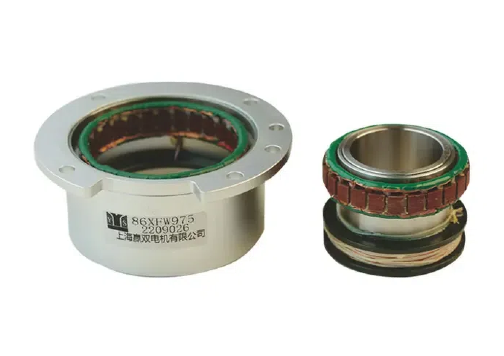
When resolver systems exhibit problems, a structured workflow can save time and prevent errors. It is best to start by identifying the symptoms, noting unusual motor behavior or system alarms. Following this, a visual inspection of cables, connectors, and mechanical components should be performed. Signal verification using test equipment helps confirm the integrity of the sine and cosine outputs, and RDC output should be checked for correct digital conversion.
Motor controller diagnostics can then be reviewed to determine whether errors are being logged or if torque ripple and position drift are occurring. Evaluating the environmental conditions for temperature, vibration, and contamination ensures that the system is operating within design specifications. Corrective actions, such as realigning the rotor, repairing wiring, replacing damaged connectors, or adjusting system settings, can then be implemented. Finally, the resolver system should be re-tested under normal operating conditions to confirm that the problem has been resolved.
Proper care and handling can significantly extend the life of brushless resolvers. Mechanical stress on the rotor or shaft should be minimized, and vibration exposure should be monitored to prevent loosening of connections. Keeping the installation environment clean and implementing surge protection helps safeguard the resolver and associated electronics. Documenting maintenance, calibration, and repairs also provides valuable reference for future troubleshooting and helps ensure consistent system performance over time.
While routine maintenance and minor troubleshooting can often be handled internally, certain issues require professional expertise. Persistent signal noise or erratic readings that remain after standard checks, internal damage to resolver components, or complex integration problems with motor controllers may necessitate assistance from experienced manufacturers or service providers. Engaging with professional support ensures accurate diagnosis, proper repairs, and guidance on optimizing resolver systems for high-performance applications.
Brushless resolver systems are critical for precision motion control in robotics, industrial automation, electric vehicles, and other demanding applications. By understanding common issues, applying systematic troubleshooting methods, and following preventive maintenance practices, operators can ensure long-term reliability and optimal performance. Regular attention to cable management, mechanical alignment, environmental protection, and signal verification helps minimize downtime and maintain efficient system operation.
Shanghai Yingshuang (Windouble) Electric Machinery Technology Co., Ltd. is a leading developer of high-quality brushless resolvers. Their expertise and products provide reliable solutions for industrial automation, robotics, and high-performance motion control applications, helping companies worldwide maintain efficient, precise, and durable resolver systems.